Whether it’s a modest two-story home that you want to secure your future, or a state-of-the-art living space that you’re interested in to complement your unique lifestyle, your dream home isn’t that far away. The process is simple, though lengthy, with steps like proper budgeting, designing layouts, and interior finishing required to construct your new home. If you’re a first-time homeowner or just curious about the home construction process, Bayco Builders & Restoration has created this blog just for you.
From Dreams To Completion: How The Residential Construction Process Goes
Having your very own home is a dream that most of us have. But the process from dreaming to stepping into your house isn’t instantaneous. For first-time homeowners and ambitious dreamers alike, the section below goes over everything about home construction, from picking the right team to making the finishing adjustments, showing you what happens behind the scenes during a building project.
Grab a helmet and some gloves as we build a house together!
- Step 1: Get Inspired
The first thing you should do when planning your own home construction in Redwood City, CA is to gain inspiration for your living space. Look through options online and assess your lifestyle to create the perfect combination of style and comfort for your new home. Also consider future accessibility needs to build a home that you can comfortably grow old in.
- Step 2: Determine Budget
Once you have a rough idea of what you want, you need to secure finances for your home construction. Remember that building a house is no small matter, so you need to have appropriate funding for quality materials that will stand the test of decades of use.
Consider options like construction loans to bridge the gap between your finances and target budget if necessary.
- Step 3: Find Your Contractor
Picking an experienced, skilled, and knowledgeable contractor is one of the trickiest parts of home construction. You should look for teams with ample experience with your particular type of housing, good reviews, and solid references.
- Step 4: Finalize Layouts
Once you’re sitting down with your builders, share your vision for your home construction with the project lead so that they know what they’re working with. Their knowledge about local building codes will also help shape a house that adheres to safety and building regulations.
- Step 5: Permits & Utilities
Next, you need to have the project approved. Once the local building authorities have given you the green signal, apply for utilities like gas and electricity to ensure timely approvals.
- Step 6: Excavation
The first thing that your home construction unit will do is to clear away all the shrubbery, gravel, and other debris from your plot to create an even base. Then they’ll dig to the appropriate depth to add foundations and the rest.
- Step 7: Foundations & Waterproofing
Once the area has been cleared, the team will move in to add strong foundations for your home construction. After the foundations, they’ll lay down cables, pipes, and even waterproofing material to ensure that your dream home stands for decades to come.
| Pro Tip Make sure to have the soil tested for foundation durability |
- Step 8: Exterior Framing
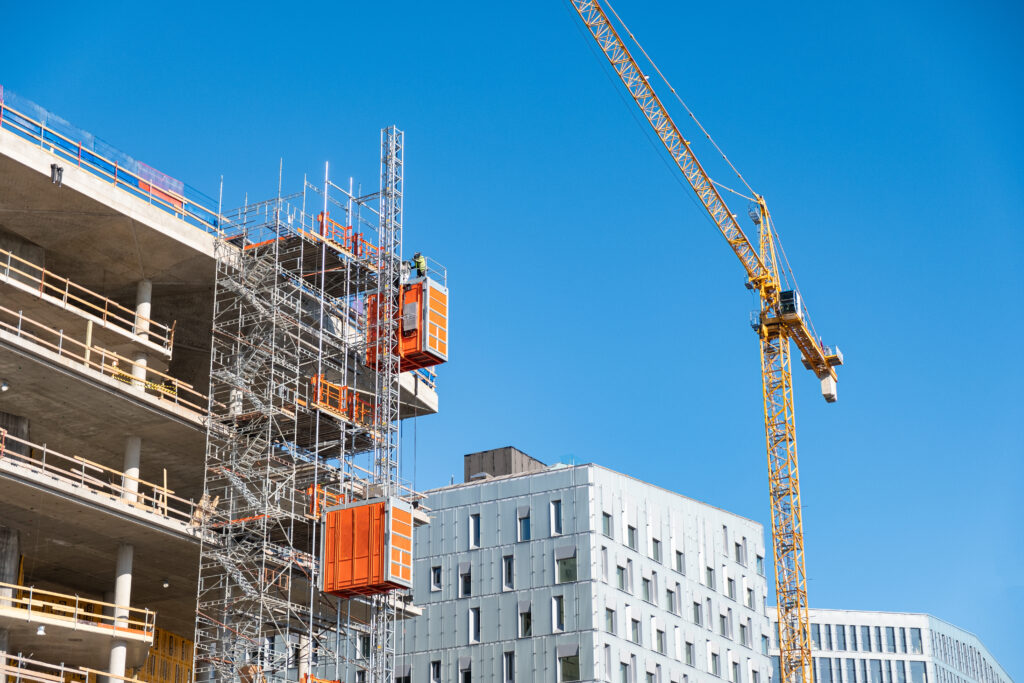
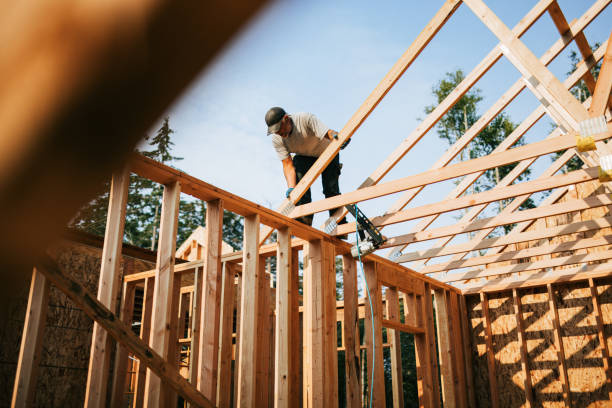
Once the base is secure, your home construction team will start to build the framing of the house. Think of this as the shell that will give shape to the rest of the house. Support beams, roofs, and flooring are added before openings are made for doors and windows at this stage.
- Step 9: Interior Framing
Okay, now for the inside. Your residential contractors will handle interior framing as part of your home construction, followed by pipes for drainage and wires for electrical work. Once that’s complete, they’ll add the insulation and walls before moving on to the finishing touches.
- Step 10: Finishing The Interiors
Now that your house looks like a house, the team will add shelving, cabinetry, staircases, and other finishing touches as part of your home construction. After that, the electrical fixtures and painting will happen before the building phase is deemed appropriately complete.
- Step 11: Final Inspections
Finally, local building inspectors will assess the house for safety, durability, and adherence to local code. Any issues that are found will be quickly remedied, and you’ll receive the occupancy certificate. Once you get the green signal, you’re free to move in and throw a housewarming party for your brand-new home!
Conclusion
To conclude, home construction is a long and complex process, but one that’s completely worth the wait and strain. The process starts by deciding what you want and then picking a construction team, followed by excavation and foundation work, before rough-ins and final decorations. Once your new house passes the inspections, your house is officially yours to live in. We hope this blog gives you a deeper understanding of the home construction process. To bring your own dreams to life, please contact us.
FAQs
What is the hardest part of building a home?
With so many options and decisions, the planning phase is the hardest part.
How long does home construction take?
Depending on size and design complexity, it can take anywhere from 7 to 18 months.
What is the most expensive part of building a home?
Framing and foundation work are the most expensive, followed by interior finishing.
How do I plan a budget for home construction?
Include costs for materials, labor, permits, inspections, and a contingency fund for unexpected expenses.
What permits and approvals are needed for home construction?
Local building permits, zoning approvals, and inspections for plumbing, electrical, and structural work are required.