Water damage can strike unexpectedly, whether from a burst pipe, roof leak, appliance malfunction, or heavy rainfall. When water enters a home or business, it can cause severe structural damage, mold growth, and costly repairs if not addressed promptly. That’s why many property owners hire professional water damage restoration services to safely and efficiently restore affected areas.
By 2026, the latest tools, advanced moisture meters, infrared cameras, high-capacity drying machines, and dehumidifiers will make restoration safer, faster, and more effective. Understanding the costs and process of water damage repair helps homeowners make informed decisions and avoid long-term damage.
Understanding the Water Damage Restoration Process
Professional water damage restoration involves multiple steps to ensure property and air quality are restored. Here’s how the process works:
1. Inspection and Assessment
Technicians use moisture meters and infrared cameras to detect hidden water in walls, floors, and insulation. Identifying the full extent of water damage helps prevent unseen mold growth and ensures complete restoration.
2. Water Extraction
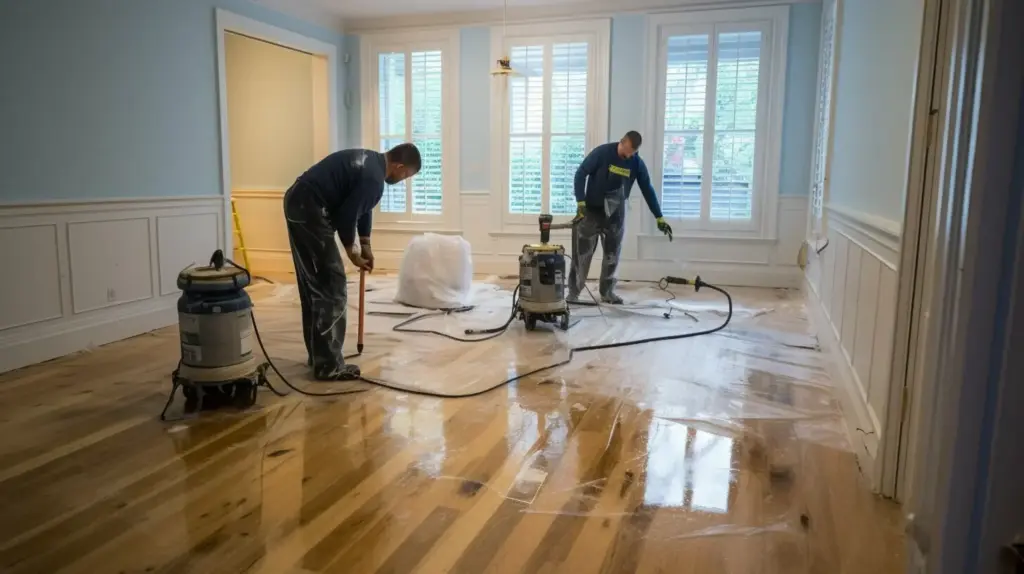
Specialized pumps and industrial vacuums remove standing water quickly. This step is critical, as stagnant water can warp floors, swell walls, and increase the risk of mold.
3. Drying and Dehumidification
High-powered air movers and dehumidifiers eliminate moisture from building materials. Effective drying prevents structural deterioration and keeps the indoor air safe.
4. Cleaning and Restoration
Restoration includes sanitizing affected surfaces, repairing or replacing damaged materials (drywall, flooring, insulation), and ensuring furniture and personal items are treated or restored.
Key Factors That Influence Water Damage Restoration Cost
The cost of water damage restoration can vary widely depending on several factors. Here’s what determines your total expense:
Extent of Water Damage
The larger and more severe the affected area, the higher the cost. Minor leaks in a single room are relatively inexpensive, while multi-floor flooding requires more labor, equipment, and time.
Type of Water Involved
Water is classified as clean, gray, or black:
- Clean water: From broken pipes, rain, or uncontaminated sources. Minimal cleanup is required.
- Gray water: Slightly contaminated water from laundry or kitchen sinks, requiring specialized cleaning.
- Black water: Severely contaminated water, including sewage or floodwater, which significantly increases restoration costs due to health hazards.
Materials Affected
Different materials react differently to water:
- Hardwood and laminate flooring: Can sometimes be dried and restored.
- Carpet and padding: Often require removal and replacement.
- Drywall and insulation: May need replacement if moisture has penetrated deeply.
- Furniture and personal belongings: Professional restoration may be possible depending on water exposure.
Response Time
Prompt action is critical. Starting restoration within the first 24–48 hours minimizes mold growth and structural damage. Delayed restoration increases labor, equipment needs, and costs.
Water Damage Restoration Costs in 2026
While prices vary by region, property type, and severity, here’s a general cost guide:
| Type of Damage | Estimated Typical Cost Range (USD) |
|---|---|
| Minor leak (1 room) | $500 – $1,500 |
| Moderate flood (multiple rooms) | $2,000 – $7,000 |
| Severe flood/basement | $7,000 – $15,000+ |
| Commercial property water damage | $10,000 – $30,000+ |
Note: Costs may include inspection, water extraction, drying, cleaning, sanitizing, and minor repairs.
Why Professional Restoration Is Important
Some homeowners attempt DIY water damage repairs. However, hidden moisture often goes unnoticed, increasing the risk of mold and structural deterioration. Professional restoration companies:
- Detect hidden water in walls, ceilings, and floors.
- Use industrial-grade pumps, vacuums, and drying machines.
- Follow strict safety and restoration guidelines.
- Minimize long-term property damage and health risks.
Engaging a professional water damage restoration service ensures that your home or business is restored efficiently and safely.
Preventing Future Water Damage
While accidents can’t always be prevented, proactive measures reduce the risk of future water damage:
- Regular plumbing inspections: Identify worn pipes or loose fittings early.
- Maintain gutters and downspouts: Ensure rainwater is directed away from foundations.
- Monitor appliances: Check water heaters, washing machines, and dishwashers for leaks.
- Install leak detectors: Automatic shutoff valves detect leaks before major damage occurs.
- Waterproof vulnerable areas: Seal basements, crawlspaces, and roof penetrations.
Tips to Minimize Restoration Costs
- Act quickly: Immediate water extraction reduces damage and costs.
- Document the damage: Take photos for insurance claims.
- Hire certified professionals: Ensure technicians are trained in IICRC standards for water damage restoration.
- Check insurance coverage: Some policies cover water damage; understanding limits can reduce out-of-pocket expenses.
Final Thoughts
Water damage restoration in 2026 requires prompt intervention, professional expertise, and careful attention to materials and contamination levels. Costs vary depending on the type of water, the extent of damage, the affected materials, and the speed of response.
By acting quickly, hiring certified professionals, and taking preventive measures, homeowners and businesses can restore properties safely and reduce the likelihood of recurring damage. Investing in professional water damage restoration not only protects property value but also ensures a healthy and safe indoor environment.
FAQs
1. What is included in water damage restoration?
Water damage restoration typically includes inspection, water extraction, drying, dehumidification, cleaning, sanitizing, and repairing or restoring affected areas.
2. How long does the restoration process take?
The timeline depends on the size and severity of the damage. Minor leaks may take a few days, while complex floods can take several weeks.
3. Can water damage cause mold growth?
Yes. Mold can develop within 24–48 hours if moisture remains. Prompt restoration is essential to prevent mold and structural damage.
4. Is professional restoration necessary for small leaks?
Even small leaks can leave hidden moisture that DIY methods may not remove. Professional restoration ensures complete drying and prevents long-term problems.
5. What factors influence the overall restoration cost?
Costs vary based on the severity of the damage, the type of water, the materials affected, and the speed of response.
6. Can insurance cover water damage restoration?
Many homeowner’s insurance policies cover sudden water damage but not gradual leaks. Always review your policy and contact your insurer promptly.
7. What is the difference between water extraction and drying?
Water extraction removes standing water, while drying and dehumidification remove moisture trapped in materials and air. Both steps are essential for complete restoration.
8. How can I prevent mold after water damage?
Immediate drying, professional cleaning, and monitoring moisture levels are key. Mold prevention may also involve applying antimicrobial treatments.