Mold is a fungus that travels on air currents and sprouts on damp surfaces throughout your home. It can lead to health issues, lower property value, and even escalate to structural mold damage if not detected on time. Though some mold is easy enough to locate, most grows in damp, hidden corners of the property or even behind walls, making it difficult to detect. While calling in professionals to conduct mold remediation is the ultimate solution, you can’t do anything if you don’t know you have a mold infestation in the first place. From strange stains to high humidity levels and more, this blog is here to help you detect hidden mold before it’s too late.
Hidden Mold: Signs & Symptoms You May Have Dismissed
Bayco Builders & Restoration has been in the industry for years, having dealt with all kinds of mold and mold damage. This is why we feel we have the expertise, knowledge, and experience required to help you identify hidden mold before it gets out of hand. From obvious signs to indirect clues, here is all you can do to pick up on hidden mold growth before it’s too late.

Read along to learn what to watch out for:
- Incessant Sneezing & Coughing
Ever walk into your house and start sneezing for no reason? Having multiple sneezing fits or a persistent cough over a prolonged period of time and feeling like you’re doing absolutely fine when you leave the house could be an indicator that you have mold growing somewhere inside your home — and potentially causing hidden mold damage.
- Irritated Eyes
Constantly feeling that stinging sensation in your eyes is yet another silent indicator of hidden mold. It means that your body is picking up on the allergen even if you don’t see it. Always trust your body when it tries to tell you something is wrong and schedule a professional mold inspection to prevent further mold damage.
- Musty Odors
Another sense that can pick up on mold growth is your nose. If you constantly smell an earthy or musty smell inside your house, it could be a sign of water damage and mold damage. Conversely, if a guest tells you that they smell something off, you should trust their nose, too. Oftentimes, you’ve become too desensitized to detect the smell, and a fresh nose may help.
| Did You Know? Prolonged mold exposure can lead to chronic bronchitis or even asthma. |
- The Sound Of Dripping Water
If you ever go down into your basement and hear the distinct drip-drip-drip sound of water leaking, chances are there’s mold and potential mold damage down there. If you or a loved one detects signs of leaks, it’s time to have it fixed before it does any real damage.
- Stains On Surfaces
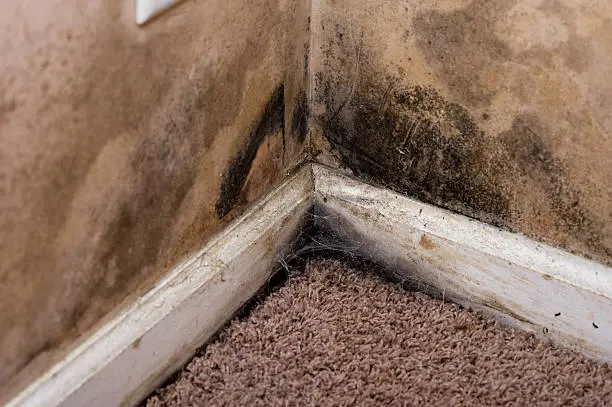
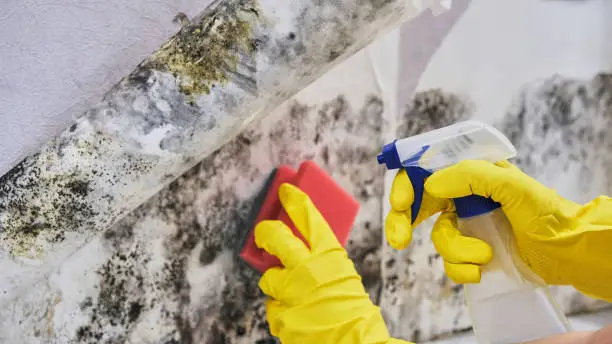
Ever stare up at the ceiling as you think and notice a green patch? How about glancing at a wall only to see a black stain? Though the mold may be behind the surface, it can lead to staining on said surface and even mold damage. Seeing orange, white, dark green, black, or even brown stains is a clear sign of mold growth and must be investigated immediately.
- Spotting Rings
If stains weren’t enough, mold also creates fuzzy circular shapes that look like rings. They can even be slimy and are a clear indicator that you have a mold problem or mold damage that needs to be treated ASAP.
- Peeling Wallpaper
Yet another common indicator of hidden mold growth! Noticing that your bathroom wallpaper is peeling away from the wall at the corner may be an indicator that there is mold or mold damage behind it. The moisture weakens the adhesive, causing the paper to tear off the wall. If this sounds familiar, it’s time to have your home inspected.
- Warping, Bubbling & Bulging
Basically, any kind of unnatural morphing of your walls points toward moisture or mold damage. If the surface is bubbling or bulging, there is water hidden behind the paint, meaning that, if left untreated, it has the potential to evolve into mold growth. Never ignore such signs and book a mold inspection service when you see them.
Conclusion
To conclude, hidden mold damage is far worse than visible mold. It often goes undetected, leading to serious health issues, decreased property value, and thousands of dollars in mold restoration costs. By staying alert for stains, bulging walls, musty odors, persistent sneezing, and eye irritation, you can spot hidden mold growth early. Call professionals immediately to test and eliminate the problem — and always trust your instincts before it’s too late.
FAQs
What are some common sources of moisture for mold growth?
Leaks in roofs, high indoor humidity, and condensation on windows are all common sources of moisture that contribute to mold growth and mold damage inside homes.
Who are the most vulnerable to the effects of mold growth?
Young children, senior citizens, individuals with asthma, and those with weakened immune systems are the most vulnerable to the effects of mold exposure and mold damage.
How to prevent mold?
Control moisture levels through proper ventilation, immediately fixing leaks, and using dehumidifiers to discourage mold growth.
How can I test for hidden mold?
Use moisture meters, infrared cameras, air sampling, or surface swabs to detect mold presence or elevated moisture in hidden areas.
Will painting over mold cover the problem?
No — painting over mold doesn’t remove it. The mold (and moisture source) must be addressed first or it will return.