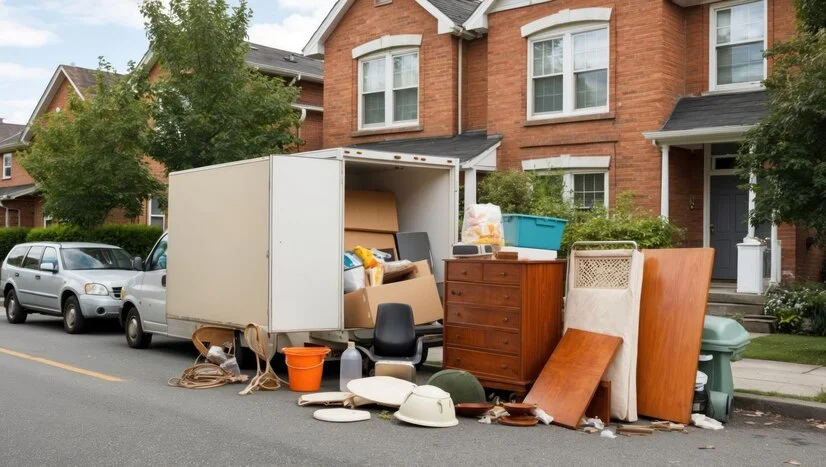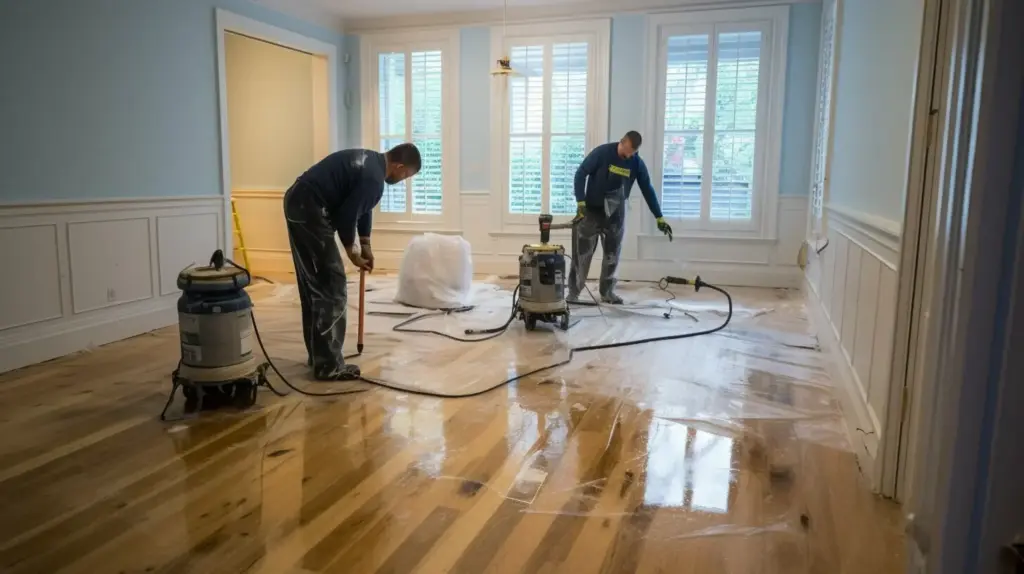
The sewage line can break, and it is not only unpleasant but it is also a serious health hazard. A properly handled Sewage Backup Cleanup can stop disease, mold, and structural damage. However, you have to be fast and use appropriate protection, and be on the safe side. Leaving out some of the steps or being careless with the same may put you and your family at risk of bacteria, viruses, and other harmful chemicals.
Here, you will discover the equipment and step-by-step instructions for Sewage Backup Cleanup to manage a sewage overrun without compromising your safety, and when to contact an expert. You might have a small overflow or a big basement overflow, but by reading this at the outset, you can save time, money, and even your health.
Why Sewage Backup Cleanup Needs Extra Care
Raw sewage that is produced by toilets, floor drains, or sewer lines contains harmful germs, such as bacteria, viruses, and parasites. Proper Sewage Backup Cleanup is essential, as exposure can lead to stomach infections, skin rashes, and breathing difficulties, among other severe health issues. The sewage water is also dangerous to the structure of your home.
It oozes into the flooring, dry walls, insulation, and walls. Unless it is cleaned and dried correctly, the growth of mold can begin within 24–48 hours, and long-term damage and poor indoor air quality are the consequences. That’s why a sewage backup cleanup in Fremont, CA isn’t like a normal spill. It requires care, protective gear, and sometimes professional help.
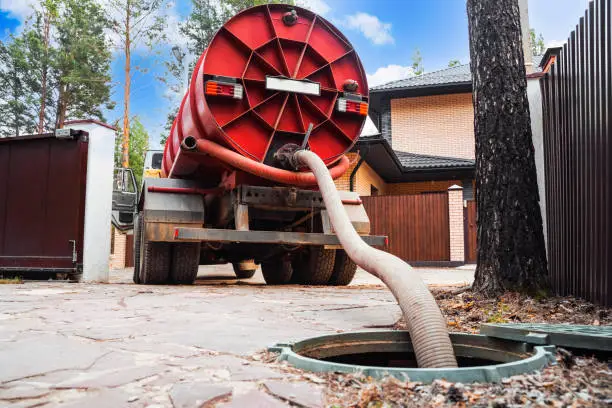
Essential Protective Gear and Safety Measures
For Sewage Backup Cleanup, always wear the correct equipment before coming in contact with anything. You should have more than just rubber gloves. Experts suggest waterproof boots, heavy-duty gloves, eye protection or goggles, waterproof long-sleeved clothing or coveralls, and a mask or respirator (especially when sewage is aerosolized).
And before you go inside, turn off the power to the part to which you are applying it, as wet floors around the outlets are dangerous. Be out of the area, keep children, pets, and persons with a weak immune system. Touching your face or any open wounds should be avoided, and should not be eaten or drunk during cleaning. Nevertheless, rinse your hands after.
Step-by-Step Sewage Backup Cleanup Process
1. Stop Water Flow and Ventilate
For Sewage Backup Cleanup, start by closing down your primary water supply. Opening windows and doors will then make the air fresher. Proper ventilation helps minimize harmful gases, such as methane and sewage fumes. Always keep fans or other electrical devices off until you are certain there is no risk of electrical hazards.
2. Remove Standing Water and Waste
For Sewage Backup Cleanup, dispose of sewage water by using a wet/dry vacuum that is plugged into a ground-fault circuit interrupter or by using a sump pump. Do not use an ordinary vacuum, as it may spread harmful germs. Place solid waste in hard plastic bags and safely dispose of them.
3. Discard Contaminated Porous Items
During Sewage Backup Cleanup, objects such as carpets, rugs, upholstered furniture, mattresses, and other porous items may retain pathogens even after washing. Experts recommend discarding them, as your health is more important than salvaging old materials.
4. Clean and Disinfect All Surfaces
For Sewage Backup Cleanup, apply a disinfectant approved by the EPA or a bleach solution (approximately 1/4 cup of bleach in 1 gallon of water). Scrub floors, walls, fixtures, and all hard surfaces. Allow the disinfectant to sit for the time specified in the instructions, then rinse and dry. Do not combine bleach with cleaners containing ammonia, as this is hazardous and may produce harmful gases.
5. Dry Thoroughly and Monitor Moisture
For Sewage Backup Cleanup, wipe up moisture using fans, dehumidifiers, and open windows. Any remaining moisture may lead to mold growth within 24–48 hours. Inspect furniture, sub-floors, walls, and hidden areas to ensure everything is thoroughly dried.
6. Assess Structural Damage & Air Quality
For Sewage Backup Cleanup, examine walls, floors, drywalls, and HVAC ducts to see if they were exposed to water or sewage. Contaminated ducts or insulation may require professional cleanup. If you are unsure or the damage is extensive, contact a certified restoration or plumbing service.
Preventing Future Sewage Backups and Emergencies
- Always flush only toilet paper. Pipes can be clogged by wipes, sanitary products, grease, diapers, and other items.
- Place drain covers in tubs and showers to subdue hair and debris.
- Do not pour grease or cooking oil down the sinks in the kitchen. Grease solidifies and plugs pipes.
- Book plumbing checks with the plumbers frequently, in particular with old houses. Root intrusion or damage to the pipes should be detected early to prevent backups.
- Take into account a backflow preventing valve or a check valve in case of overflowing of your area or overflow of storm drains.
These simple habits reduce the chance you’ll ever need sewage backup cleanup again.
Conclusion
Dealing with a Sewage Backup Cleanup can be overwhelming, but having the right tools and following proper safety measures can make the process more manageable and reduce health risks. Always prioritize personal protection, use appropriate cleaning and disinfecting methods, and consider seeking professional help for extensive backups. By staying prepared and informed, you can minimize damage to your home and ensure a safer, healthier environment for you and your family.
FAQs
1. Can I clean up sewage backups myself safely?
Only if the spill is small (like a single bathroom floor). For bigger backups or where sewage entered walls or ducts, professional cleanup is strongly recommended.
2. What protective gear is essential during cleanup?
Waterproof gloves, boots, long protective clothing, eye protection, and a mask/respirator.
3. How quickly does mold or contamination develop after sewage exposure?
Mold can begin forming in 24–48 hours if moisture isn’t removed.
4. Should I throw away all contaminated items?
Porous materials like carpets, upholstery, mattresses, and drywall should be discarded, as they can harbor pathogens even after cleaning.
5. When should I call a professional sewage cleanup service?
If sewage affected multiple rooms, got into walls/ducts, covered more than 10 square feet, or you see structural damage or strong odors, then call a qualified cleanup or restoration service immediately.